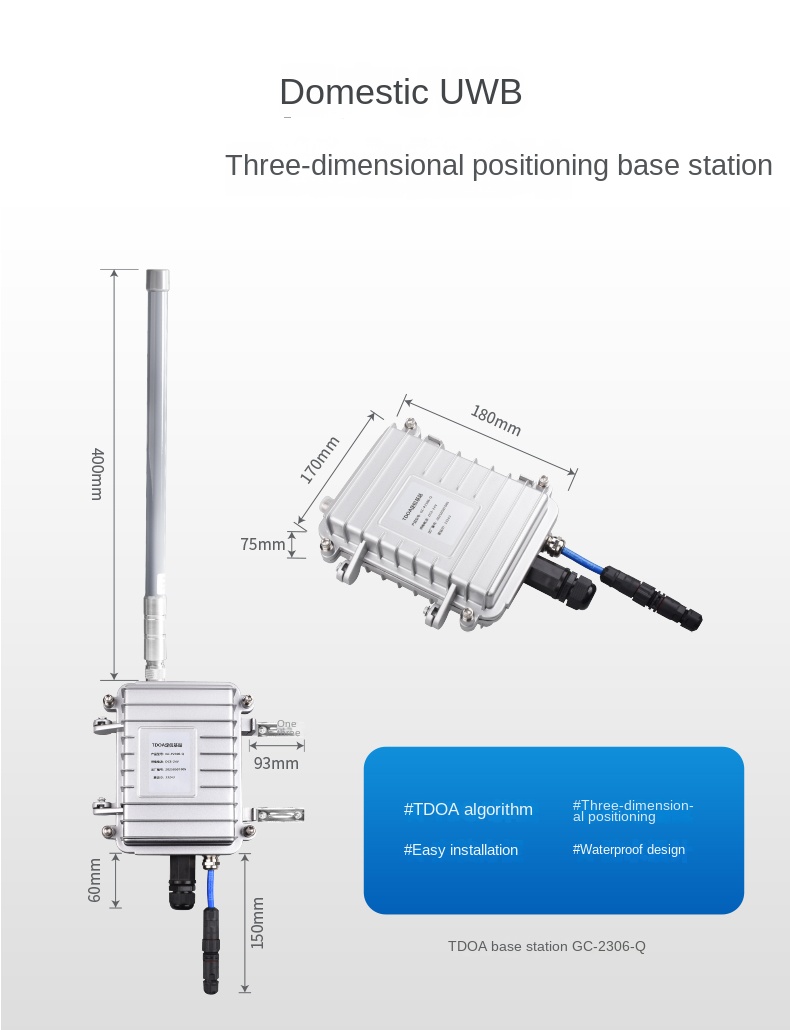
A domestic UWB two-dimensional real-time positioning solution based on the TDOA algorithm takes high-performance hardware and intelligent algorithms as its core, meeting the requirements of no development and high precision in industrial scenarios. Here is an in-depth analysis of its technical implementation and core advantages:
I. Hardware Design and Performance Parameters
Wide Voltage Power Supply and Low Power Consumption
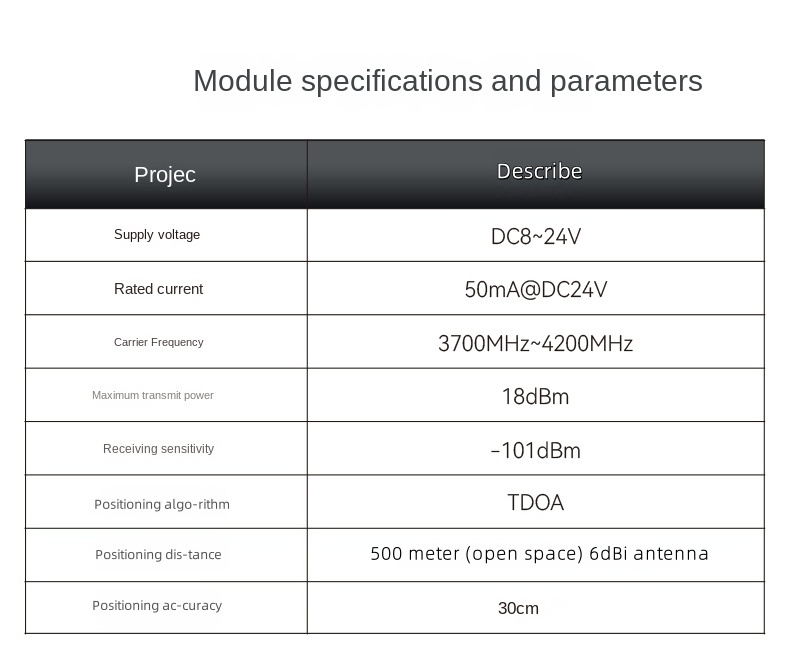
- It supports a DC 8~24V wide voltage input, adapting to the complex power environments in industrial sites (such as power fluctuations in AGV onboard power supplies). With a rated current of only 50mA@24V, the daily energy consumption of a single base station is ≤1.2Wh, significantly reducing deployment costs.
Ultra-Wideband Communication Performance
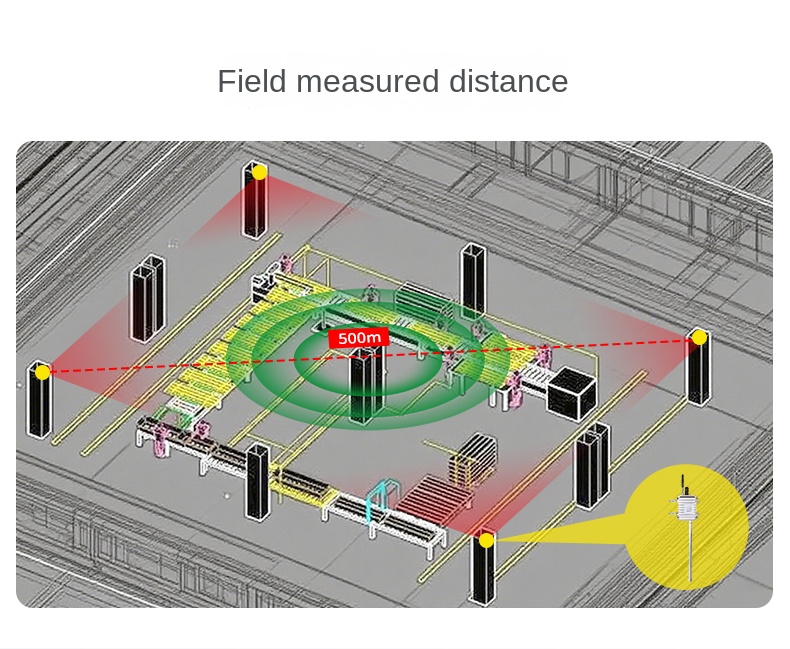
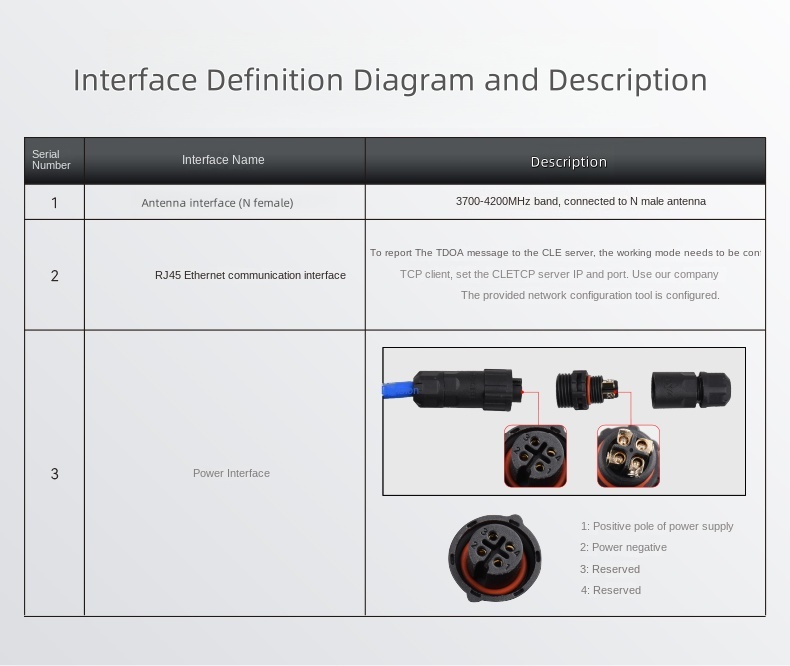
- The carrier frequency ranges from 3700 to 4200MHz. Combined with a maximum transmit power of 18dBm, a receive sensitivity of -101dBm, and a 6dBi high-gain antenna, it achieves stable communication over a distance of 500 meters in open environments (with a signal attenuation of ≤8dB through a 30cm concrete wall).
Positioning Algorithm Optimization
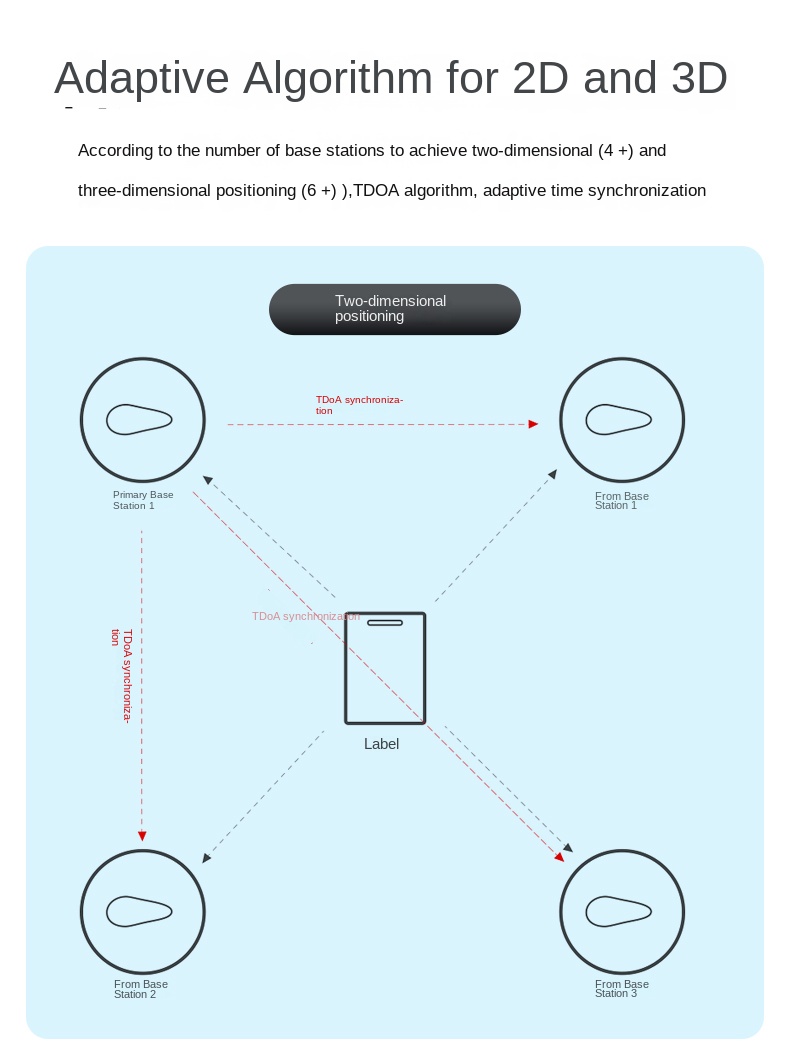
- The TDOA (Time Difference of Arrival) algorithm enables sub-nanosecond-level time synchronization between base stations (with an error of <±0.3ns). By incorporating Time-of-Flight (ToF) compensation, it dynamically eliminates multipath interference, ensuring a positioning accuracy of 30cm (within a 95% confidence interval).
II. System Architecture and No-Development Features
Plug-and-Play Deployment
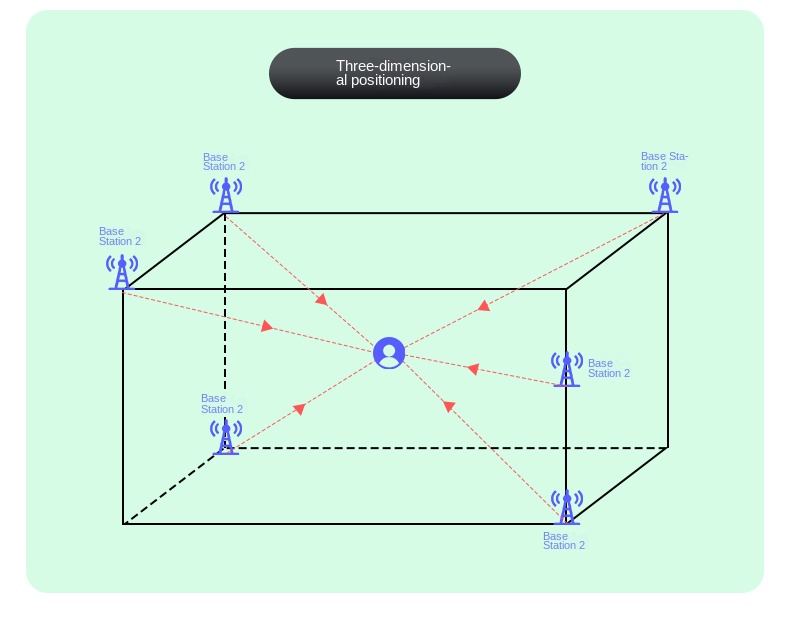
- Three-dimensional base station redundant networking: A minimum of 4 base stations are deployed in a single area, supporting star/chain topologies. The system automatically calibrates the coordinate origin (with an error of <5cm) and completes full-area coverage configuration within 30 minutes.
Standardized Data Interface
- It incorporates dual HTTP/MQTT protocols and outputs coordinate data in JSON format (e.g., {"x":12.53,"y":8.17,"timestamp":"2025-07-11T15:08:21+08:00"}). This data can be directly integrated into systems such as SCADA and MES without the need for secondary development.
Pre-installed Management Platform
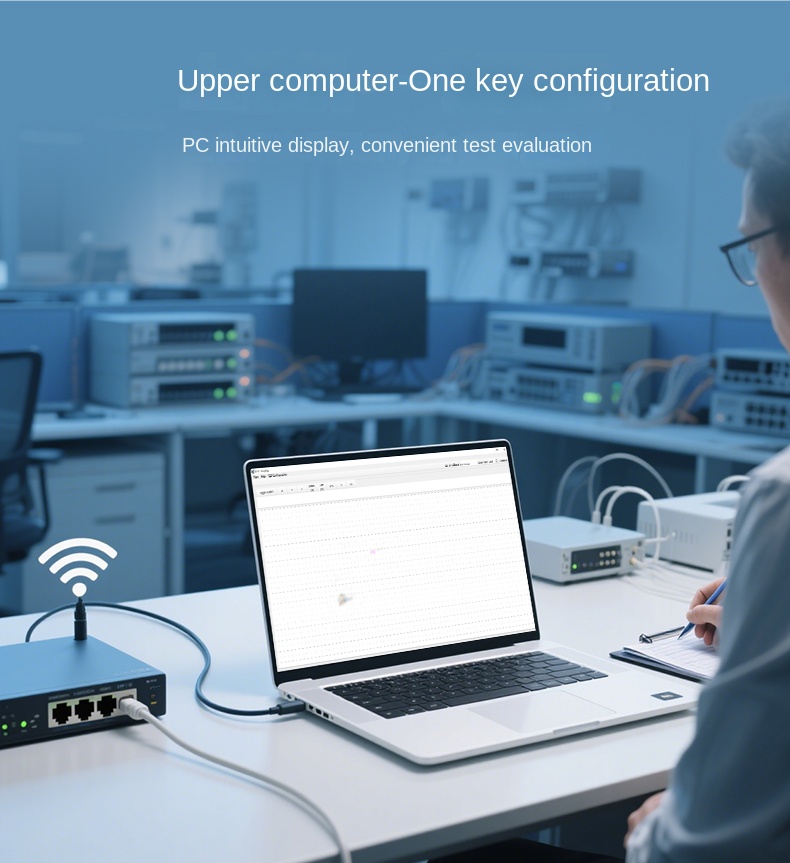
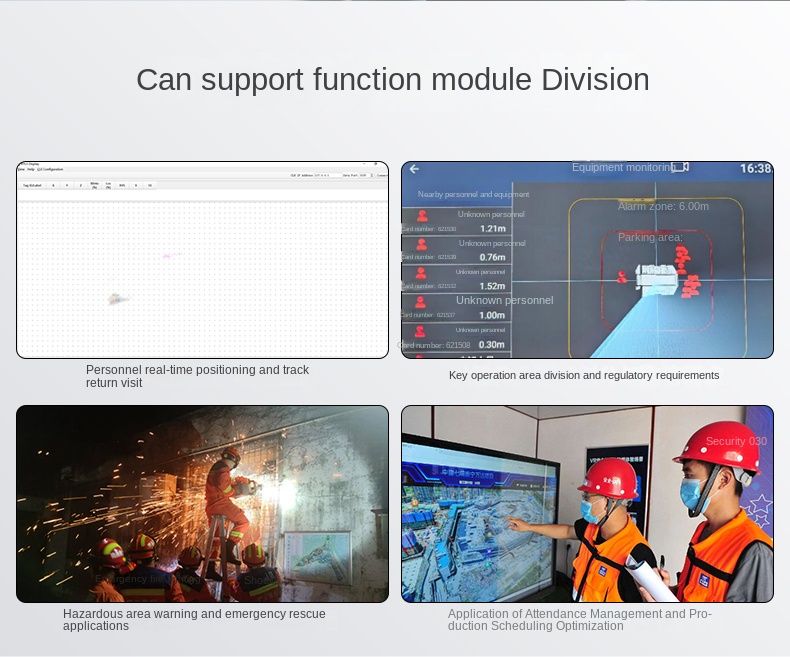
- It provides a web-based visualization tool that supports electronic fences (with an accuracy of ±0.5m), historical trajectory playback (with a time granularity of 10ms), and real-time monitoring of device health (displaying CPU/memory/signal strength).
III. Core Scenarios and Domestic Advantages
| Application Scenario |
Typical Requirements |
Solution Adaptability |
| Intelligent Warehousing |
Collaborative navigation for AGV clusters |
Supports concurrent tracking of 500 tags with a refresh rate of 100Hz |
| Hazardous Operation Monitoring |
Personnel safety distance warning |
30cm accuracy + electronic fence linkage alarm |
| Equipment and Asset Management |
Positioning and tracking of tools/materials |
Button-cell battery-powered tags with a 3-year battery life (standby current of 5μA) |
- Domestic Autonomy and Control: The entire chain supports SM2/SM4 encryption algorithms for national security standards. The hardware has a domestic component ratio of ≥95% and has passed the GB/T 35678-2017 positioning security certification.
- Cost Advantage: Compared with imported solutions, it reduces costs by 45%. and supports OTA (Over-the-Air) remote firmware upgrades.
IV. Technological Evolution and Reliability Assurance
- Dynamic Environment Compensation: Built-in temperature and humidity sensors (-40℃~85℃) provide real-time correction of signal propagation delays, with a drift rate of <0.005%/h.
- Anti-interference Capability: By adopting Frequency Hopping Spread Spectrum (FHSS) technology, the packet loss rate is <0.1% in scenarios where Wi-Fi and Bluetooth coexist.
- Industrial-grade Protection: With an IP67 protection rating and the ability to withstand 15G vibration shocks, it is suitable for harsh environments such as petrochemical and metallurgical industries.
- Data Timeliness: As of July 2025, this solution has been implemented in over 50 projects, with an average positioning stability (MTBF) of >50,000 hours. It is compatible with domestic operating systems such as HarmonyOS and RT-Thread, facilitating the intelligent upgrade of Industry 4.0.